It’s 2024. If your website is not designed to work on mobile devices, you’re running out of time!
What’s Happening?
Google has officially announced that starting July 5, 2024, it will stop indexing websites that are completely inaccessible on mobile devices.
This means if your website does not load or render properly on mobile devices like Android phones or iPhones, Google will no longer index and rank your website in its search results.
Why This Matters
The Shift to Mobile
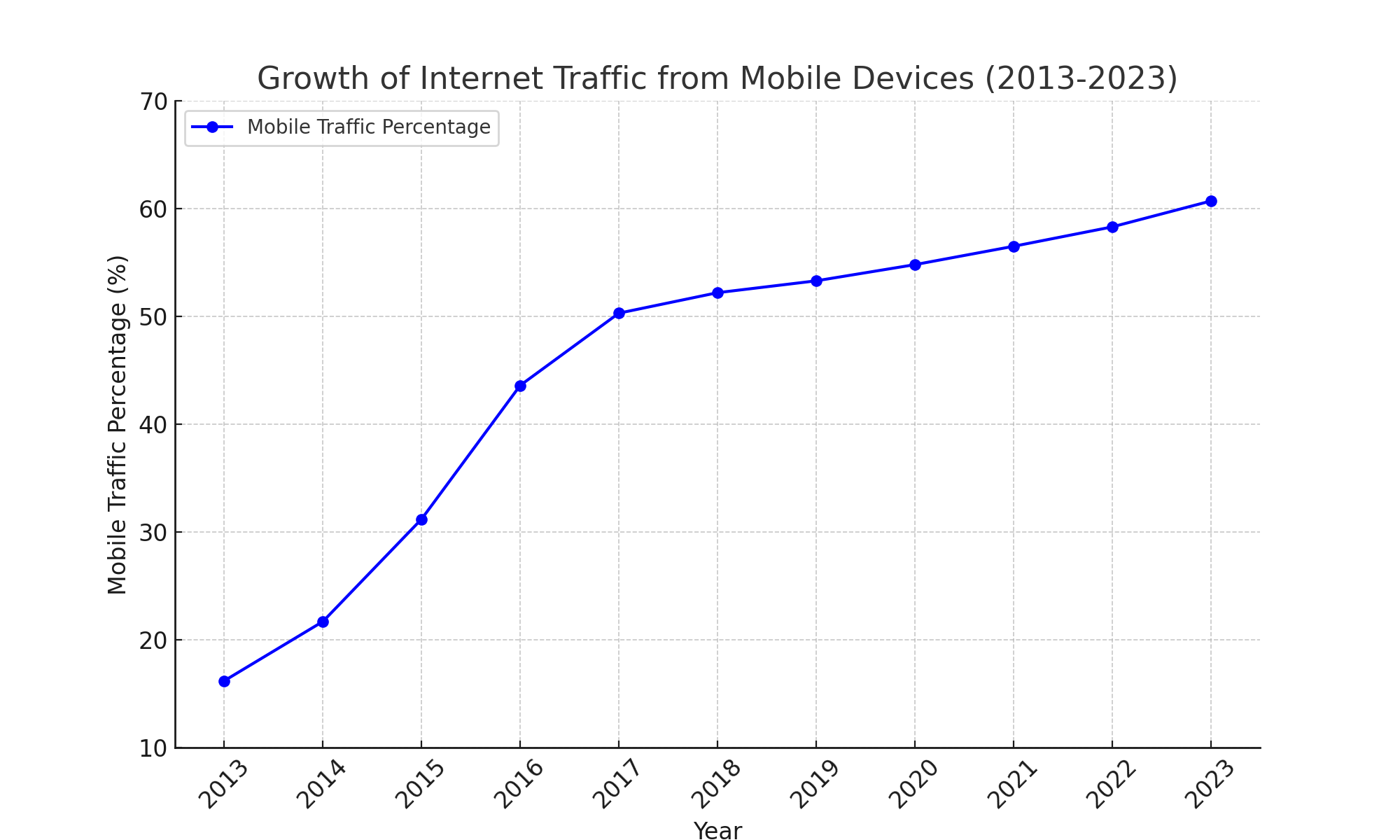
Mobile usage has skyrocketed over the past decade. In fact, the majority of internet traffic now comes from mobile devices.
This shift is significant because it means more people are using their phones to browse the web than ever before. According to recent statistics, over 60% of global web traffic is generated through mobile phones.
Google’s Focus on User Experience
Google’s primary goal is to provide the best possible user experience. To achieve this, it prioritizes websites that offer a smooth and accessible experience on mobile devices.
By not indexing websites that don’t work on mobile, Google ensures that users are directed to sites that meet their needs efficiently.
What to Do Now
If your website isn’t already mobile-friendly, now is the time to act. Here are some steps you can take to ensure your site remains indexed by Google:
1. Ensure Mobile Accessibility
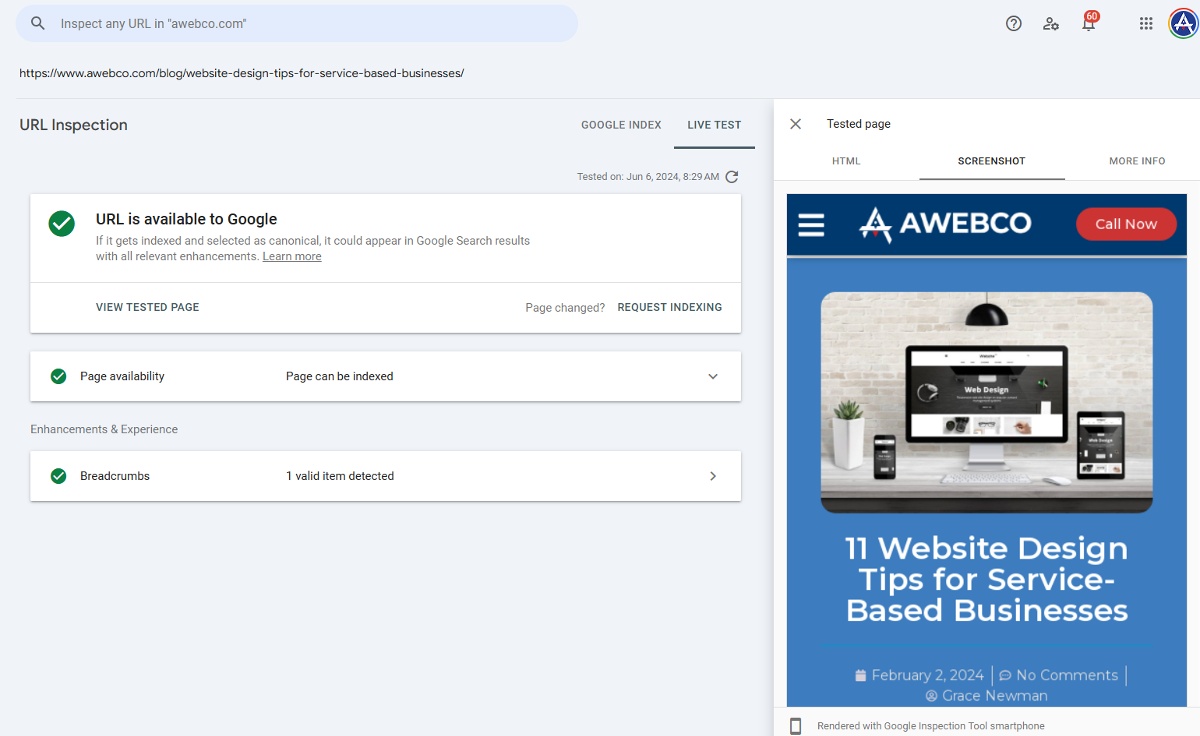
Make sure your website loads and renders properly on all mobile devices. This includes smartphones and tablets of various sizes and operating systems.
Use tools like Google Search Console’s URL Inspection tool to test your site’s mobile accessibility and identify any issues that need fixing.
2. Implement Responsive Web Design
Responsive web design ensures your website provides a consistent experience across all devices. It automatically adjusts the layout based on the screen size and orientation.
This not only makes your site more accessible but also enhances the user experience.
If you need a team of professionals with years of experience doing this, start your project with Awebco today!
3. Maintain Content Parity
Make sure the content on your desktop and mobile versions of your website is the same.
Content parity is important because Google crawls and indexes your site based on its mobile version. If there are discrepancies, it could affect your search rankings.
4. Optimize for Mobile User Experience
Pay attention to factors like load speed, navigation, and readability. Mobile users expect fast-loading pages, easy-to-use navigation, and readable text without having to zoom in.
Optimize images, minify CSS and JavaScript files, and ensure buttons and links are easily tappable.
5. Use Google’s Mobile-Friendly Test
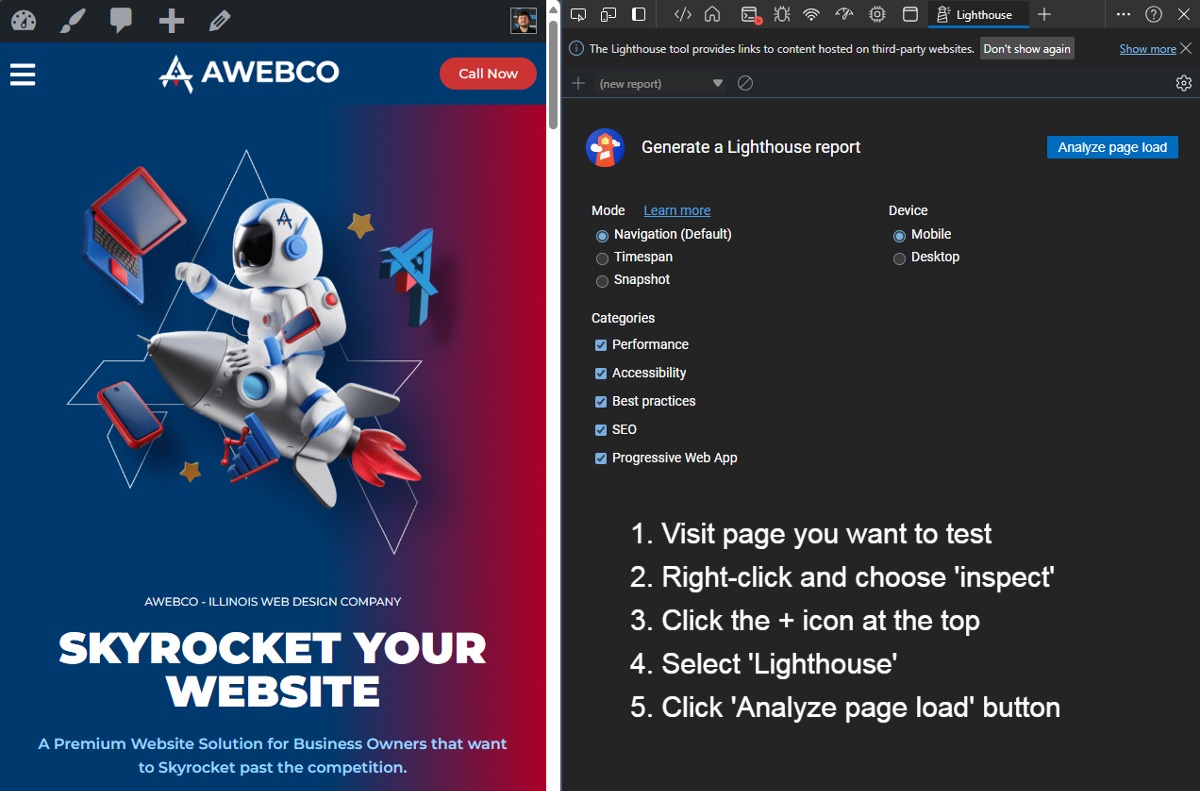
Google offers a Mobile-Friendly Test tool that allows you to check how easily a visitor can use your page on a mobile device. It provides insights and suggestions on how to improve your mobile site.
If your test comes back failing, this is how Google sees your site. Whether it’s coded incorrectly, or
Examples of Responsive Design
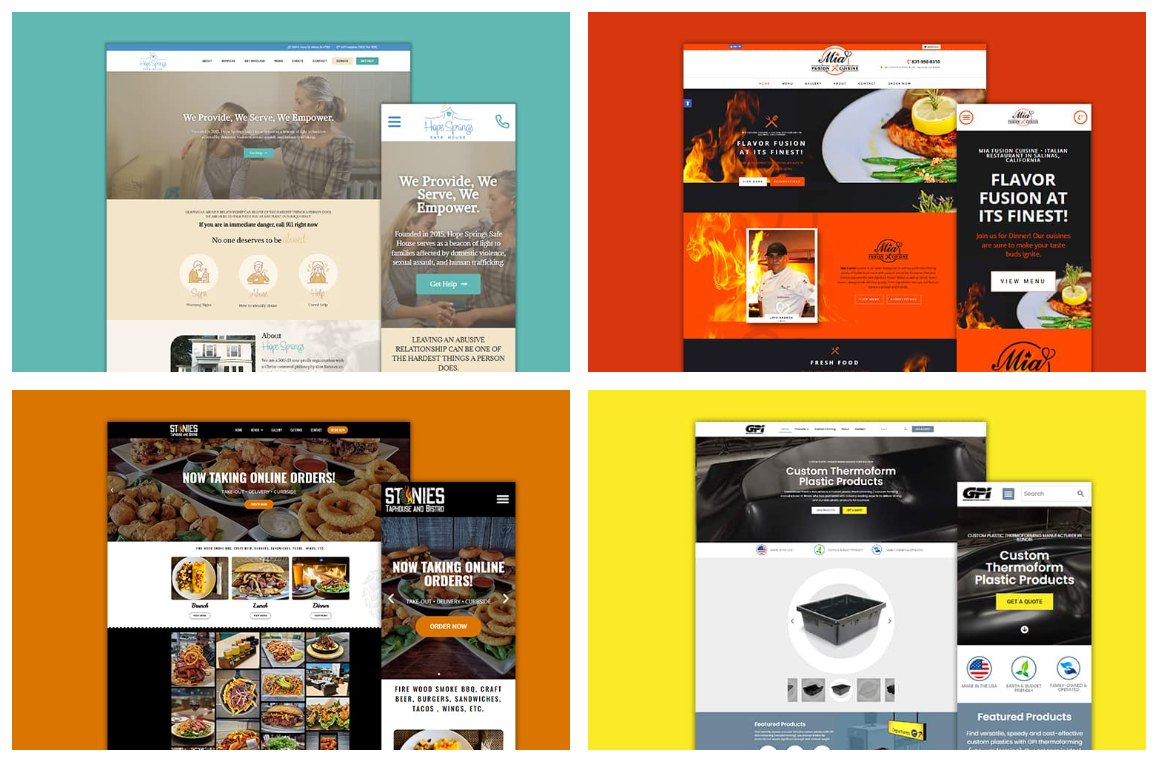
Check out our portfolio of websites we’ve designed with responsive web design. Each site adapts seamlessly to different screen sizes, ensuring a great user experience on both desktop and mobile.
Awebco will never design and develop a website that doesn’t break down properly for mobile devices.
When to Act?
The deadline is July 5, 2024. However, the sooner you act, the better.
Transitioning to a mobile-friendly design can take time, especially if your site is large or has complex features.
Starting now gives you ample time to test, refine, and ensure your site is ready.
Conclusion
This move by Google highlights the importance of having a mobile-friendly website.
With the majority of internet traffic now coming from mobile devices, your site needs to provide a good mobile experience.
Websites that fail to meet this requirement risk becoming invisible to Google’s indexing process after July 5, 2024.
By following the steps outlined above, you can make sure your website remains accessible, indexed, and ranked by Google.
At Awebco, we specialize in creating responsive, mobile-friendly websites that not only look great but also perform well in search rankings.
Contact us today to learn how we can help you prepare for Google’s upcoming changes and keep your site visible and accessible to all users.