In today’s digital world, having a professional and effective website is essential for any business or organization.
However, designing a website is not a simple task, and it requires a skilled website designer to create an excellent website that meets your requirements.
Knowing just how to hire a website designer who is qualified can make a significant difference in your website’s success.
In this article, we will discuss some essential tips and advice on how to hire a website designer.
Understanding the Role of a Website Designer
Before we dive into the tips, it is crucial to understand the role of a website designer.
A website designer is responsible for creating the visual elements of a website, such as layout, color schemes, and typography.
They also ensure that the website is user-friendly and functional, with a smooth user experience.
A good website designer should have a solid understanding of design principles, coding languages, and web technologies.
A Designer is NOT a Developer
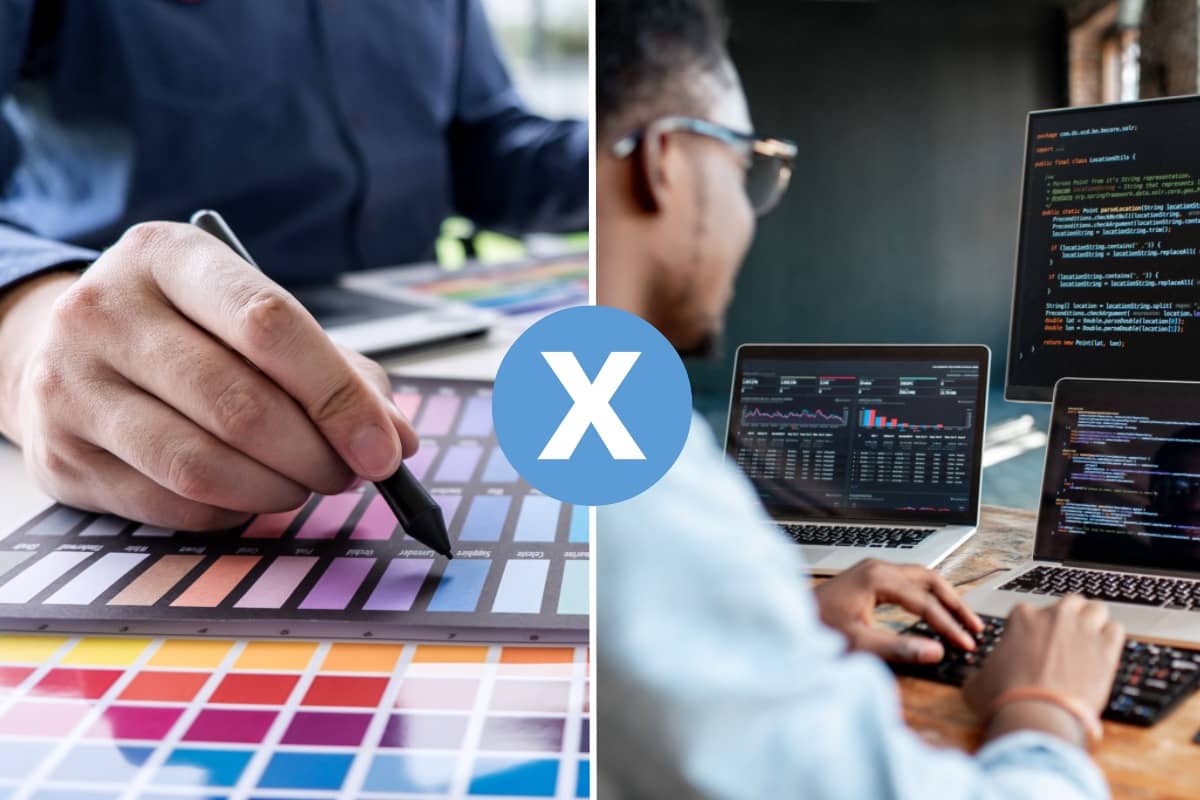
Typically, your website designer is not going to be the same person as your website developer.
Keep in mind that when you hire a freelance designer to create the look of your website, you’ll still need to hire a developer to actually build the site, update it, and have it hosted and functioning properly.
While some designers may also know how to develop a website, it’s important to know the scope and limitations of the designer you’re working with.
Here are a few distinguishable differences between a website designer and a website developer:
Website Developer:
- Focuses on the technical aspect of website creation, including coding, programming, and website functionality.
- Has a strong understanding of various programming languages such as HTML, CSS, JavaScript, and PHP.
- Creates the backbone of the website, including its structure and functionality, and works on making sure the website runs smoothly and efficiently.
- Implements website features such as shopping carts, forms, and databases.
- Optimizes website performance, security, and compatibility across different platforms and devices.
Website Designer:
- Focuses on the visual aspect of website creation, including layout, color schemes, typography, and graphics.
- Has a strong understanding of design principles, such as user experience (UX), user interface (UI), and branding.
- Creates the overall look and feel of the website, making sure it is aesthetically pleasing and visually engaging.
- Designs and creates graphics, icons, and other visual elements to enhance the website’s appearance.
- Ensures the website is easy to navigate, user-friendly, and aligns with the client’s branding and marketing strategy.
When to Hire a Website Designer
Now that you know why you should hire a designer, it’s important to know when to hire a website designer. Here are some situations where you may need to hire a web designer:
- You want a custom design: If you want a website that is unique and tailored to your brand, hiring a web designer is the way to go. They can work with you to create a custom design that reflects your brand identity and meets your specific needs.
- You want a professional-looking website: A well-designed website can help establish credibility and make a good impression on visitors. If you want a website that looks professional and polished, it’s worth it to hire a website designer.
- You want a responsive design: With the increasing use of mobile devices, it’s important to have a website that is optimized for mobile. A professional designer can create a responsive design that looks great on all devices, from desktops to smartphones.
- You want to stay ahead of the competition: If your industry is highly competitive, having a well-designed website can give you an edge. A skilled web designer can create a website that stands out from the competition and helps you attract more visitors and customers. They can also stay up-to-date on the latest design trends and best practices, ensuring that your website is modern and relevant.
Overall, hiring a web designer for the design aspect of building a website can help ensure that your website is unique, professional-looking, and optimized for search engines and mobile devices.
While it may require an investment upfront, the benefits of a well-designed website can pay off in the long run.
Tips for Hiring a Website Designer
Here are some useful tips and advice on how to hire a website designer:
Define Your Goals and Requirements
When defining your design goals and requirements for your website, it’s important to remember that the website designer is only responsible for the look and feel of your website.
Consider the overall look and feel you want for your website, including the color scheme, typography, and layout. Think about your target audience and what kind of design will appeal to them.
You should also consider any specific design elements you need for your site, such as custom graphics or illustrations. Make a list of all the design elements you need and prioritize them based on their importance to your business.
Remember that the website designer will work with a developer to bring your design to life, so it’s important to communicate your design goals and requirements clearly so that the designer can create a design that meets your needs and aligns with your brand.
Check their Portfolio
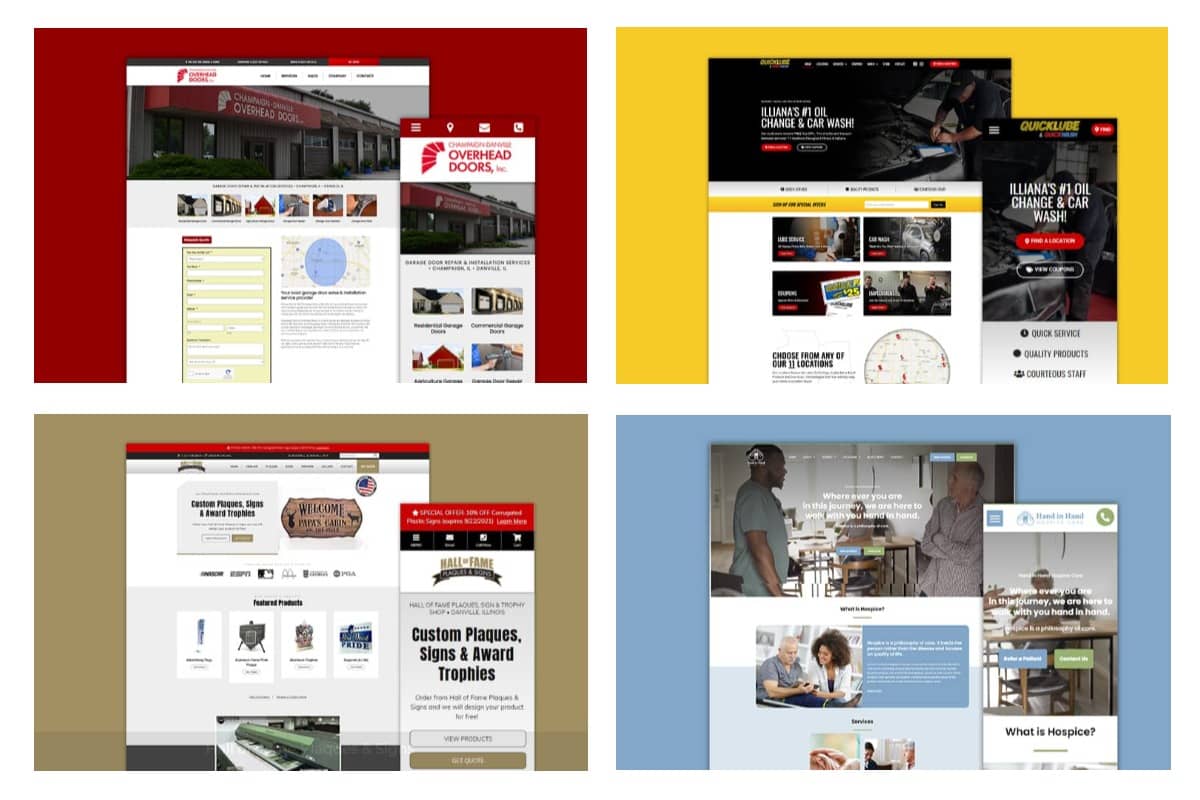
When reviewing a website designer’s portfolio, look beyond just the visual design.
Consider the usability and functionality of the sites they have created. Do they load quickly? Are they easy to navigate? Do they look good on different devices and screen sizes?
You should also pay attention to the designer’s ability to create custom designs that align with their clients’ brand and business goals.
Look for evidence that the designer can create unique, visually striking designs that are tailored to each client’s needs.
Check their Experience and Skills
When evaluating a website designer’s experience and skills, it’s important to focus on their design expertise rather than their ability to develop or code the website.
Look for evidence of their design skills, such as their ability to create visually appealing layouts, use typography effectively, and create custom graphics and illustrations. They should also have experience with design software like Adobe Photoshop, Illustrator, or Sketch.
Additionally, the designer should have a strong understanding of user experience (UX) and user interface (UI) design principles. They should be able to create designs that are easy to navigate, visually engaging, and aligned with your brand and business goals.
Ask to see examples of their design work and look for evidence of their ability to create unique and custom designs that are tailored to each client’s needs.
Make sure that the designer you hire is not simply trying to put your brand on a template that thousands of other websites use.
Look for References and Reviews
When contacting a website designer’s references, ask specific questions about their experience working with the designer. For example, you might ask:
- How was the designer’s communication throughout the project?
- Did they meet deadlines?
- Did they deliver a high-quality product?
- Were there any unexpected issues or challenges, and how did the designer handle them?
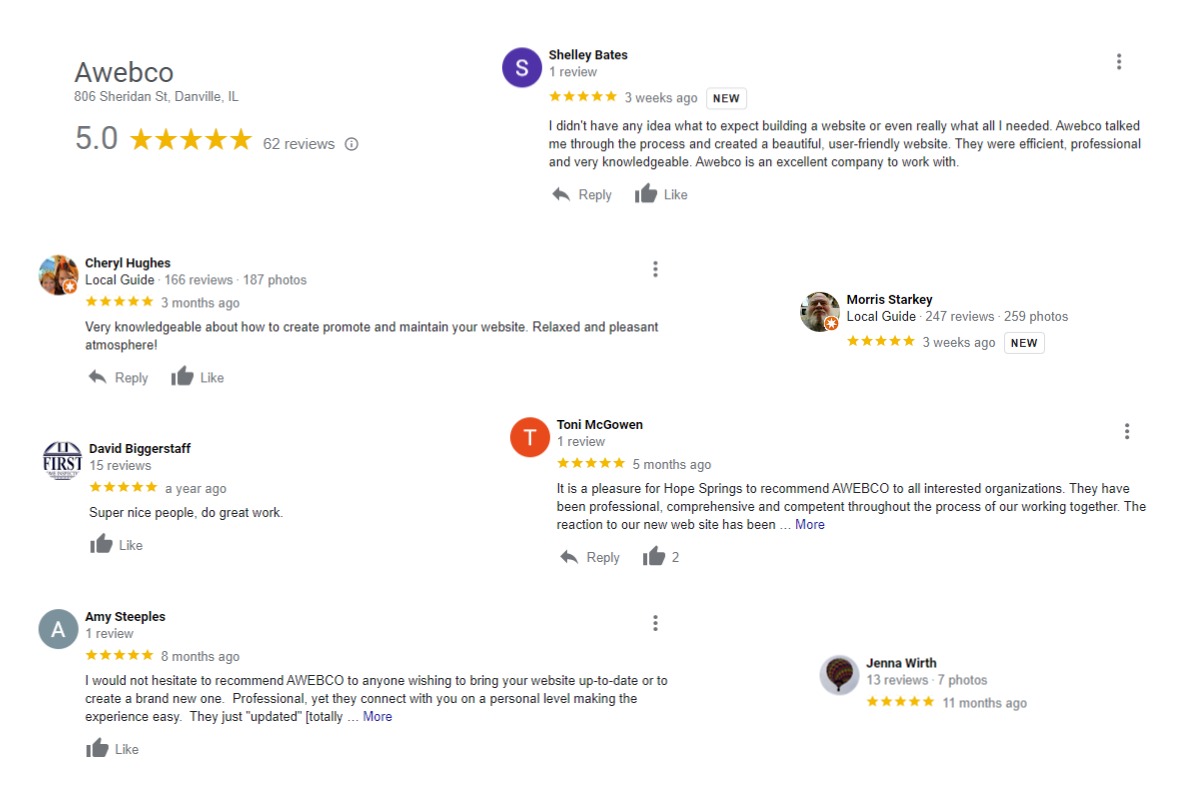
You can also look for online reviews on sites like Google, Yelp, or the designer’s own website. Look for patterns in the reviews, both positive and negative, to get a sense of the designer’s strengths and weaknesses.
It’s important to find a website designer you can trust and not some fly-by-night agency or freelancer just looking to make a quick buck.
Communication and Collaboration
Clear communication and collaboration are essential for a successful website design project.
Look for a designer who is responsive to your questions and concerns, and who provides regular updates on the project’s progress.
During your initial consultation, ask the designer how they prefer to communicate (email, phone, video chat, etc.) and how often you can expect updates.
You should also discuss how feedback and revisions will be handled, to ensure that both you and the designer are on the same page.
All too often we hear stories of clients who are unable to get in contact with their freelancers or digital agency when they need updates or have an issue, which is why they choose to come to Awebco.
Budget and Timeline
When setting a budget and timeline for your website project, it’s important to be realistic. Quality web design takes time and expertise, and you get what you pay for.
That said, you should also make sure that the designer’s fees fit within your budget constraints.
Ask for a detailed estimate that outlines all the costs associated with the project, including design, development, and ongoing maintenance and support.
You should also discuss the timeline for the project, including any key milestones or deadlines. Make sure that both you and the designer have a clear understanding of the project scope and timeline before moving forward.
Hiring a Freelance Website Designer vs. Hiring a Design Agency
When it comes to hiring a website designer, you have two options – hiring a freelance designer or hiring a design agency.
It’s important to know which of these is going to be best for you, your business, and your brand.
Here are some pros and cons of each option:
Freelance Website Designer

While there are benefits to hiring a web design freelancer, there are also some potential drawbacks to consider when compared to hiring an agency.
Nonetheless, here are some of the benefits of hiring a web design freelancer:
- Cost: With fewer overhead costs, freelancers may be able to offer a more affordable rate, which can be a good option if you’re on a tight budget.
- Flexibility: Some freelancers tend to be more flexible with their schedules and may be able to work around your needs. This can be particularly useful if you have a tight deadline or require constant input.
- Personal Attention: A freelancer is more likely to give you more personal attention if they are solely focused on your project. This can lead to a more customized solution that meets your specific needs.
- Specialization: Freelancers may have a particular area of specialization or expertise that makes them well-suited to your project.
- Communication: Freelancers may have more direct communication with you, like texting or Facebook messaging, allowing you to have more control over the project and the end result.
However, it’s important to keep in mind that working with a freelancer also has some potential drawbacks. For example:
- Limited Resources: A solo web designer may have limited resources and may not be able to handle larger projects or provide comprehensive ongoing support.
- Lack of Accountability: Freelancers may not have a formal quality assurance process, which could lead to issues with the final product.
- Limited Availability: Freelancers may not always be available when you need them, or can be more difficult to get ahold of, which could be problematic if you need immediate assistance.
- Dependability: Freelancers may have a more difficult time meeting deadlines and delivering on their promises if they get overwhelmed with work or have personal issues.
- One Person, Multiple Projects: Generally, a freelancer will be working with multiple clients and companies, not just yours. If they are overbooked, they may not give your project the care it deserves.
Overall, while there are benefits to hiring a web design freelancer, these potential drawbacks can make it a riskier option compared to hiring an agency with a team of experts and a formal quality assurance process in place.
Design Agency

Hiring a website design agency has several benefits over hiring a freelancer:
- Team of Experts: A website design agency typically has a team of experts in various areas such as website design, website development, content creation, and digital marketing. This means you have access to a diverse range of skills and expertise.
- Collaboration and Brainstorming: An agency environment fosters collaboration and brainstorming, which can lead to innovative solutions and fresh ideas for your website.
- Project Management: An agency will typically have a project manager overseeing your website development process, ensuring that timelines and budgets are met. This frees up your time to focus on other areas of your business.
- Scalability: If your project grows, an agency can usually provide the necessary resources to handle the increased workload. This may not be possible with a freelancer who has limited resources.
- Quality Assurance: An agency will usually have a quality assurance process in place to ensure that your website meets your requirements and is of high quality. This can help to prevent issues and ensure a smooth launch.
- Long-term Support: An agency is often better equipped to provide ongoing support for your website, including maintenance, updates, and troubleshooting. This ensures that your website remains up-to-date and functioning properly over the long-term.
- Reputation: A website design agency will have a reputation to uphold, and this can be beneficial for your business as it can provide a level of assurance that your website is in good hands.
Overall, hiring a website design agency can provide a more comprehensive, reliable, and scalable solution than hiring a freelancer.
Of course, while hiring a design agency has several benefits, there are also some potential cons to consider:
- More Expensive: Hiring a design agency is generally more expensive than hiring a freelance website designer, as agencies have higher overhead costs, including team salaries, rent, and equipment. This can be a concern for small businesses with limited budgets.
- Limited involvement: Some agencies may have a more hands-off approach, which means that they may not involve you in every aspect of the project. While this can be frustrating for clients who want to be more involved, it can also be an advantage if you want to delegate more responsibility to the agency.
Where to Hire a Designer
There are hundreds of websites where you can go to hire a website designer, but some of the most popular are:
- Upwork.com – Upwork is a platform that connects freelancers with clients looking for a wide range of services, including website design. Upwork has a large pool of talented designers from around the world, and it allows you to filter candidates based on their skills, hourly rate, and experience.
- Freelancer.com – Freelancer.com is another platform that connects clients with freelancers across various industries, including website design. Freelancer.com offers a similar range of features to Upwork, such as candidate filtering and messaging capabilities. However, Freelancer.com also provides contests where clients can post a brief and receive multiple designs from various freelancers.
- Fiverr.com – Fiverr offers a variety of services, including website design. Fiverr.com is unique in that it provides a “gig” system where freelancers can offer specific services at set prices. Clients can browse through these gigs and choose the one that best suits their needs.
- 99Designs.com – 99Designs.com is a platform that specializes in graphic design services, including website design. The platform offers a unique contest-based model where clients can post a brief and receive multiple designs from a pool of designers. Clients then select their favorite design and work with the designer to refine it further.
- Awebco.com – Awebco is a full-service digital marketing agency that specializes in website design and development. Awebco.com has a team of designers and developers who work together to create custom websites for clients. As an agency, we provide a range of services, including website design, website development, search engine optimization, and digital advertising.
You could also consider finding website designers on sites like LinkedIn or from Facebook groups, but keep in mind that those would be less vetted and less reliable freelance designers than from one of these popular websites.
If you choose to hire someone through Facebook or LinkedIn, there is less accountability and a higher likelihood of getting scammed or getting a sub-par product, so you should be extremely careful in those areas.
Ensure that your design candidates are trustworthy, highly qualified, and meet all your requirements.
Conclusion
Hiring a website designer is a crucial decision that can impact your website’s success.
By following the tips and advice we discussed in this article, you can find a website designer who can create a website that meets your requirements, within your budget and timeline.
Remember to define your goals and requirements, review their portfolio, check their experience and skills, look for references and reviews, communicate effectively, and set a budget and timeline.
Whether you choose to hire a freelance designer or a design agency, the most important thing is to find a designer who understands your brand, your audience, and your vision for your website.
This requires a collaborative and communicative approach to ensure that you get the website that you need and want.
Investing in a professional website designer can make all the difference in creating a website that not only looks great but also functions well, attracts visitors, and converts them into customers.
So take your time, do your research, and choose a website designer who can help you achieve your online goals.
Or, you can make it easy on yourself and talk to us about your project and let us handle it for you!