As a small to medium-sized business owner, it’s important to have a clear understanding of how your advertising campaigns are performing.
Knowing whether or not your advertising efforts are paying off can help you make better decisions about where to allocate your budget and how to improve your marketing strategy.
In this blog post, we’ll discuss several key metrics and techniques that answer the question of “how to know if your advertising is working”. We will provide tips for optimizing your advertising performance, ensuring that your campaigns are not just running, but truly working for the benefit of your business.
Setting Clear Goals and Objectives
Before you begin any advertising campaign, it’s important to set clear goals and objectives. This will give you a benchmark to measure your performance against, and help you make data-driven decisions about how to improve your advertising efforts.
When setting goals and objectives, make sure they are specific, measurable, achievable, relevant, and time-bound (SMART).
Here are a few examples of goals and objectives that small to medium sized businesses may set:
- Increase website traffic by 20% within the next 12 months
- Generate 10 leads per week through a PPC campaign
- Achieve a 2%+ conversion rate on all website form submissions
Measuring Advertising Performance
Once you have set your goals and objectives, it’s time to start tracking your performance. There are several key metrics that can help you understand how your advertising campaigns are performing. These include:
- Website traffic: Track the number of visitors to your website, and see where they are coming from (e.g. organic search, PPC, social media, etc.).
- Conversion rate: Measure the percentage of website visitors who take a desired action (e.g. make a purchase, submit a form, etc.).
- Return on investment (ROI): Calculate the financial return you are getting on your advertising investment.
- Keyword ranking: Track your website’s ranking for specific keywords in search engine results pages (SERPs)
To track these metrics, you can use tools like Google Analytics, Ahrefs, SEMrush and call tracking software. These tools can provide detailed data on your website’s performance, and help you identify areas for improvement.
Tracking Keywords You Rank For
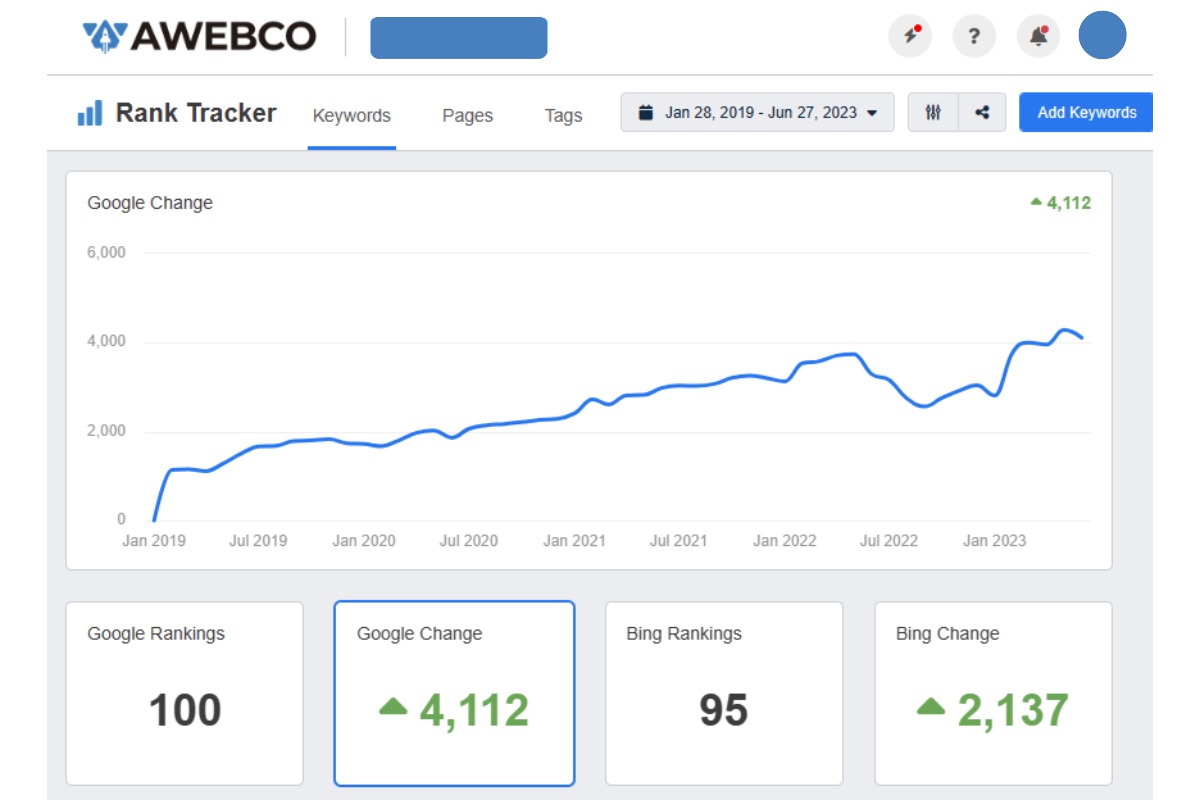
Tracking your website’s ranking for specific keywords is an important aspect of SEO and PPC campaigns. It can give you an idea of how your website is performing in search engine results pages (SERPs) and whether your campaigns are targeting the right keywords.
Here are a few tips for selecting the most relevant keywords for your business:
- Identify keywords that are relevant to your business and products/services
- Use tools like Google’s Keyword Planner to understand search volume and competition
- Target long-tail keywords (phrases that are more specific and longer than one or two words)
By regularly tracking your website’s ranking for specific keywords, you can identify patterns in your SEO and PPC performance, and make adjustments to your campaigns as needed.
Using Call Tracking Software
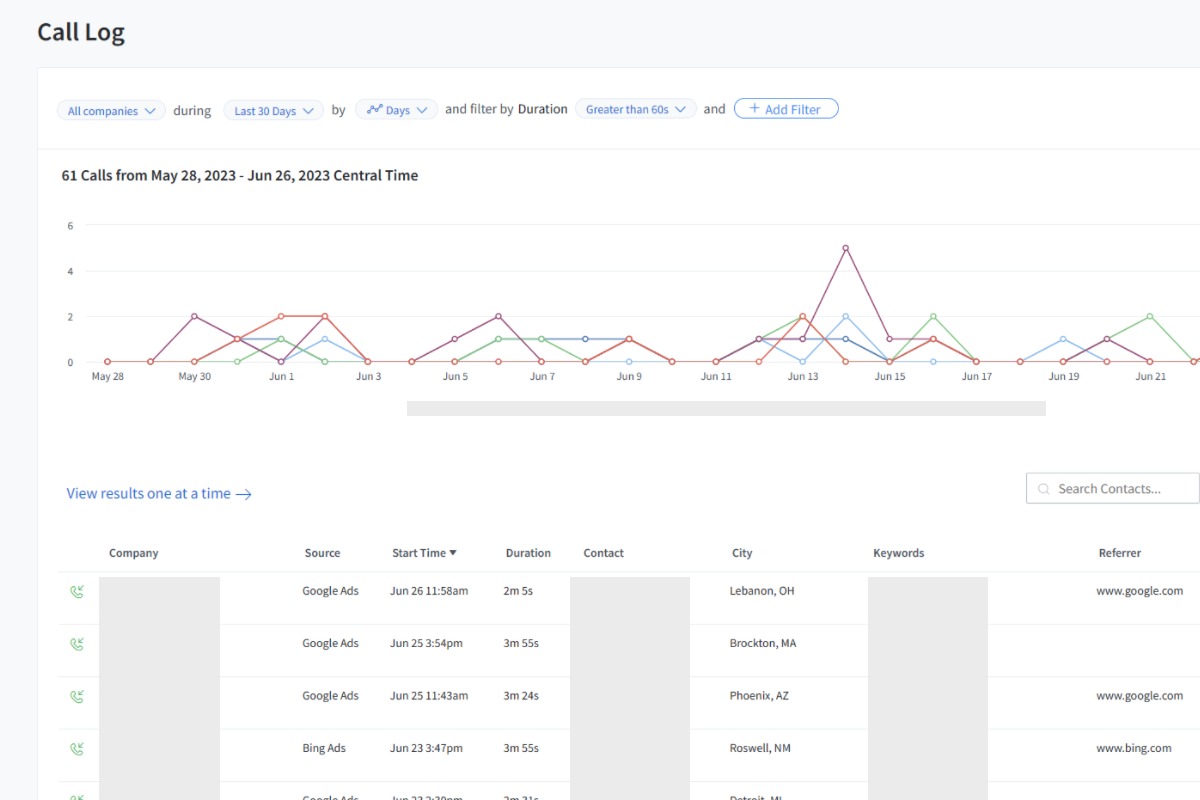
Call tracking software can be extremely useful for tracking the effectiveness of all types of marketing campaigns.
It allows you to track phone calls generated from your advertising efforts and measure how many leads are coming from your campaigns.
Typically, call tracking software is used for the following functions:
- Dynamic number insertion: Allows you to track the source of the phone call by displaying a different number on your website depending on the source of the visitor.
- Call tracking numbers: Provides a unique phone number for each advertising campaign, allowing you to track and measure the performance of each campaign.
- Call tracking software can also provide additional data such as call duration, caller location, and call recording which can be useful for understanding customer needs and improving customer service.
Need an affordable and easy to use call tracking software that can measure calls from your advertising? We recommend and use CallRail.
Keeping Track of Website Form Submissions
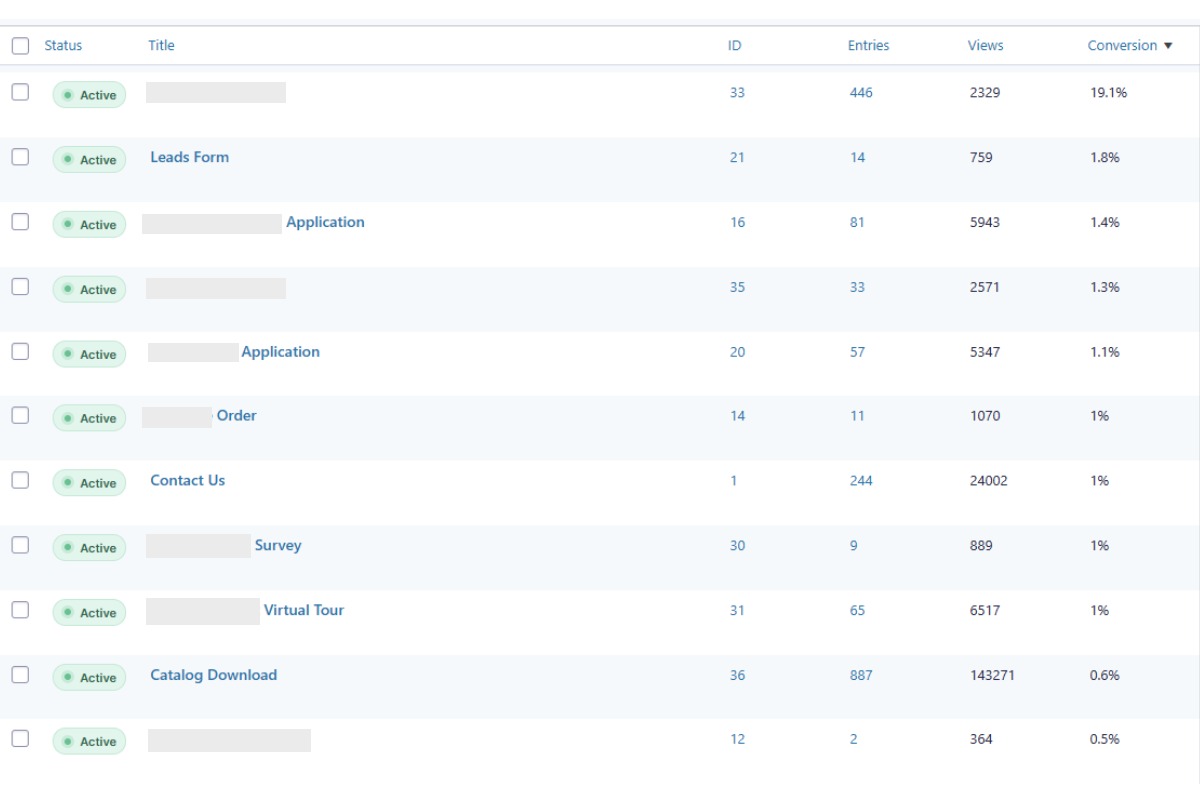
Website form submissions can be an important metric for tracking the performance of your advertising campaigns.
This is because website forms are often used to capture leads and contact information for potential customers.
Here are a few tips for optimizing website forms for increased submissions:
- Make sure your forms are easy to find and accessible on your website
- Keep the number of form fields to a minimum
- Use clear and concise labels and instructions
- Use a clear and prominent call-to-action
You can track website form submissions using tools like Google Analytics to track goal completions that you have set up or the form entries in the backend of your WordPress website.
These tools can provide detailed data on form submissions, such as the number of submissions, the source of the submissions, and the conversion rate of the forms.
This information can be useful for identifying patterns in your website’s performance and making data-driven decisions about how to improve your advertising campaigns.
A/B Testing / Split Testing
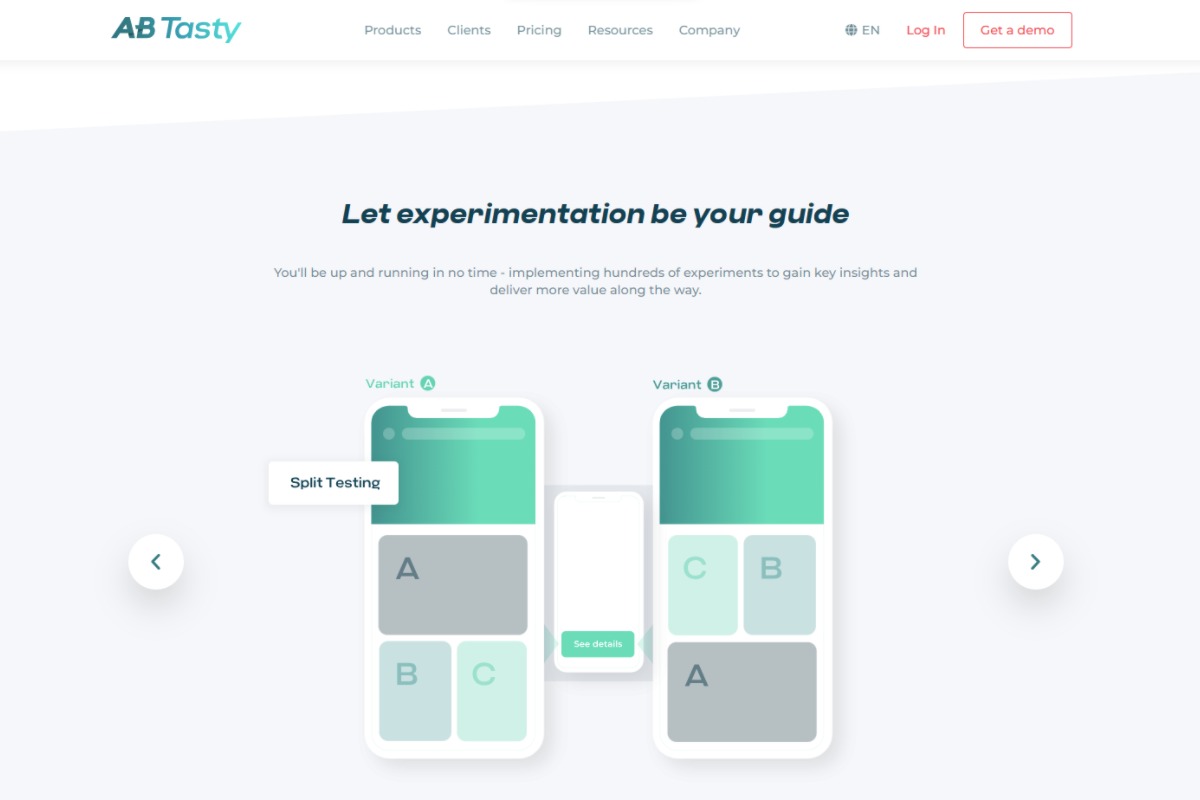
A/B testing is a technique that allows you to test different versions of your advertising campaigns to see which one performs better. This can be useful for understanding what works and what doesn’t work when it comes to your advertising efforts.
Here are a few elements of your advertising campaigns you can A/B test:
- Headlines
- Ad copy
- Images
- Call-to-action
- Landing pages
- Bidding strategies
You can use tools like Google Optimize (sunsetting Sept 30), Optimizely and AB Tasty to set up A/B tests and analyze the results.
By regularly A/B testing different elements of your advertising campaigns, you can identify patterns in your advertising performance and make data-driven decisions about how to improve your campaigns.
Identifying areas for improvement
As you track and measure the performance of your advertising campaigns, it’s important to identify areas where your campaigns may be underperforming.
This can help you troubleshoot issues and make data-driven decisions about how to improve your advertising efforts.
Here are a few techniques for troubleshooting and addressing issues with advertising campaigns:
- Check your website’s analytics data to identify patterns in your website’s performance
- Conduct user research to understand customer needs and pain points
- Use A/B testing to test different elements of your advertising campaigns
- Seek feedback from customers and prospects
- Disabling low CTR or low converting ads
With regular monitoring and consistently evaluating your advertising performance, you can identify areas for improvement and make data-driven decisions about how to optimize your advertising campaigns.
Conclusion
Understanding how to know if your advertising is working is crucial to the success of any business. There is no sense spending money on something that isn’t working.
However, you’ll want to keep in mind that it’s not as easy as just turning on some ads and now you’re making money; it takes a lot of time, effort, and adjustments to get there. If it were that easy, everyone would be rich and successful with an endless flow of business!
By setting clear goals and objectives, tracking key metrics, and using tools like Google Analytics, Ahrefs, SEMrush, and CallRail, you can gain a better understanding of how your advertising campaigns are performing.
Tracking keywords, using call tracking software, monitoring website form submissions and A/B testing, can give you a deeper understanding and make data-driven decisions on how to improve your advertising performance.
Remember that it is important to regularly monitor and evaluate your advertising performance, and make adjustments as needed to optimize your advertising campaigns.
Partner with our reliable team today to help build an effective and profitable advertising campaign for your small to medium sized business.