Congratulations on your new website!
But now you’re wondering: how do you get people to actually find and visit it?
You’ve invested time and money into creating an online presence, but without visibility, your website is like a billboard in the desert—impressive, but not reaching your potential customers.
As a small business owner, you need practical, effective strategies to increase your website’s visibility without requiring a degree in digital marketing.
This guide will walk you through actionable steps on how to get a new website noticed and start generating the business results you deserve.
Start With a Website That Works
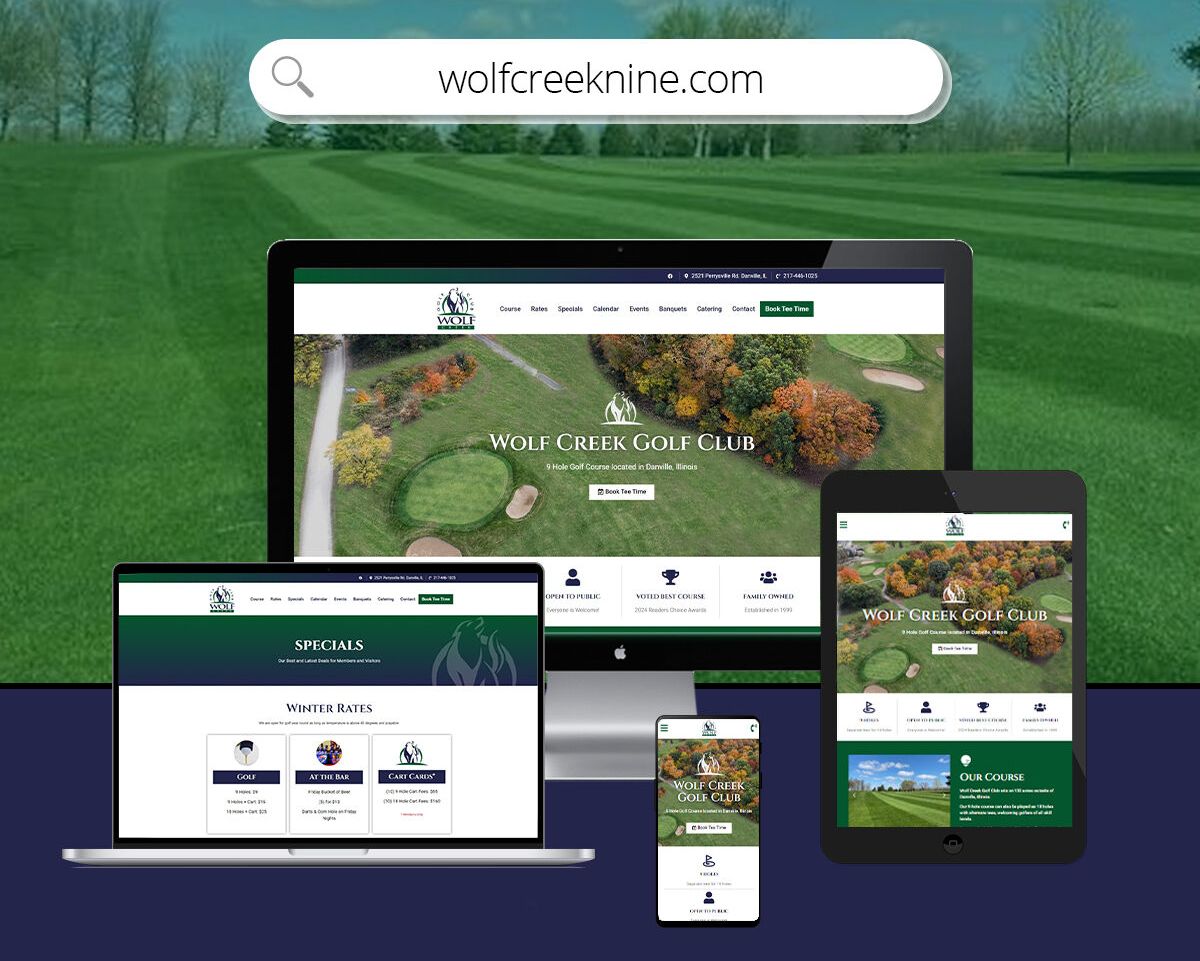
Before even looking into promotion strategies, take an honest look at your current website.
Ask yourself:
- Does it look professional and reflect your brand?
- Does it load quickly on both desktop and mobile devices?
- Is it easy for visitors to find what they’re looking for?
- Does it clearly communicate what your business offers?
- Does it have clear calls-to-action that convert visitors into customers?
If you answered “no” to any of these questions, improving your website should be your first priority.
Even the best marketing strategies won’t compensate for a website that creates a poor impression or frustrates visitors.
A professionally designed website built with both aesthetics and conversions in mind will serve as a solid foundation for all your marketing efforts.
If your current website isn’t meeting these standards, consider working with a team of professionals like Awebco who can create a website you’ll be proud to promote.
We have built some affordable plans for small to medium sized businesses to help on your budgets.
Local Business Listings: Put Your Business on Tons of Directory Websites
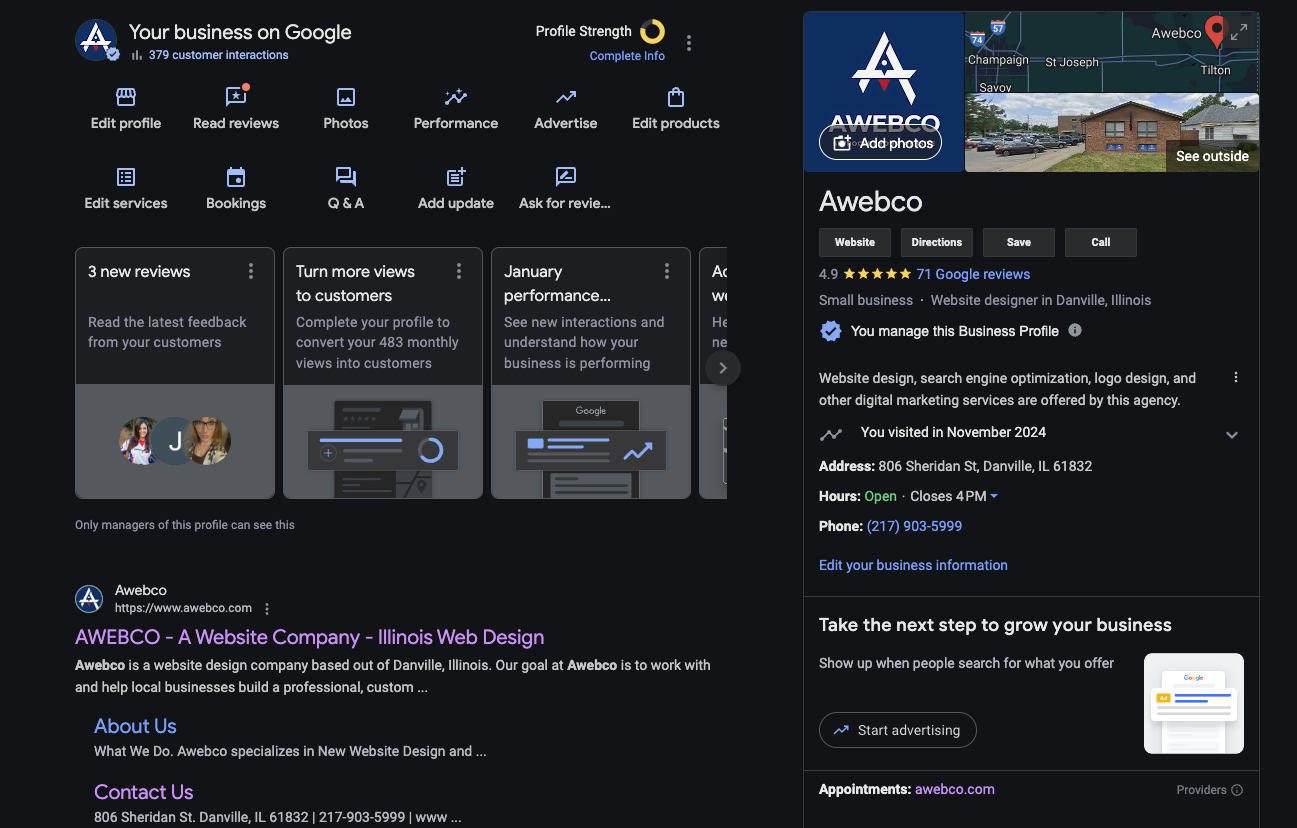
One of the most effective ways to increase your website’s visibility is through local business listings.
Think of these as digital storefronts scattered across the internet. Each listing is an opportunity for potential customers to discover your business.
Here’s how to make the most of local business listings:
- Start with Google Business Profile (formerly Google My Business). This free listing allows your business to appear in Google Maps and local search results. This is the most popular and can actually move the needle for your business. Complete every section of your profile, including:
- Business name, address, and phone number
- Business hours
- Business category
- Description
- Photos of your business, products, or services
- Links to your website
- Expand to other directories: Yelp, Bing Places, Apple Maps, Yellow Pages, and industry-specific directories relevant to your business.
- Ensure your business information is consistent across all listings. Discrepancies in your name, address, or phone number can confuse both potential customers and search engines.
- Regularly update your listings with new photos, special offers, or events to keep them fresh and engaging.
Managing dozens of business listings can be time-consuming.
Working with a team that specializes in creating and maintaining these listings ensures your business information is accurate and comprehensive across the internet.
We have a full list of authoritative directory websites that we manually set up and create for your business, unlike Yext, who you pay to rent your listings.
When you buy local listings from Awebco, you get full ownership and access to them.
Search Engine Optimization (SEO): Building Long-Term Visibility & Authority
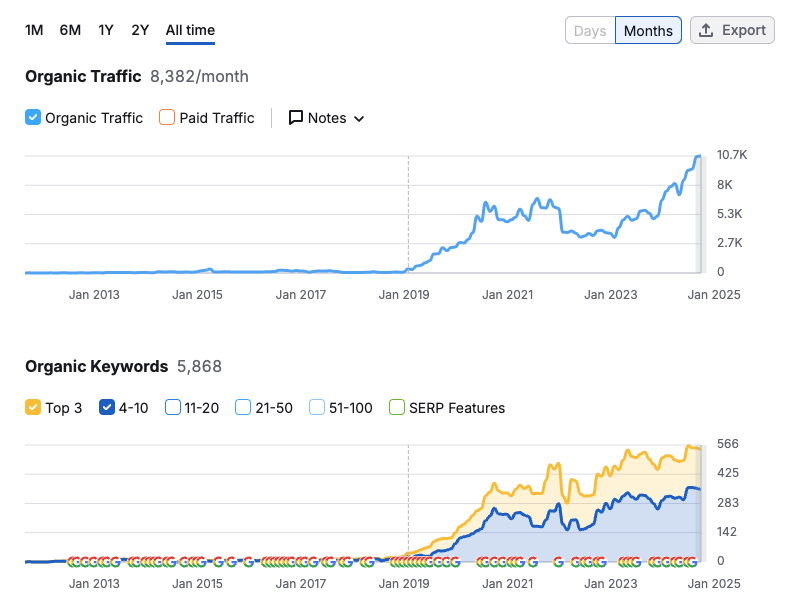
While paid advertising can generate immediate traffic, search engine optimization (SEO) is your strategy for sustainable, long-term website visibility.
SEO involves optimizing your website to rank higher in search engine results when potential customers search for businesses like yours.
Here’s a simplified approach to SEO for small business owners:
- Keyword Research: Identify the terms your potential customers are searching for. Focus on specific phrases related to your products or services in your location (e.g., “handmade jewelry in [your city]” rather than just “jewelry”).
- On-Page Optimization: Incorporate these keywords naturally into your website’s content, including:
- Page titles and headings
- Product or service descriptions
- Image alt text
- URL structures

- Content Creation: Regularly publish valuable, relevant content that addresses your customers’ questions and needs. This might include:
- How-to guides related to your products or services
- Industry insights and trends
- Customer success stories
- Frequently asked questions
- Local SEO: Optimize your website for local searches by including your city or service area in your content and meta information.
- Technical SEO: Ensure your website is technically sound with:
- Fast loading speeds
- Mobile-friendly design
- Secure connection (HTTPS)
- Easy navigation
- Proper site structure
Building authority online through SEO is a marathon, not a sprint. It takes consistent effort, expertise, and time to achieve and maintain high rankings.
Meaningful results can come in a few days to a few months, and even longer depending on your location and how competitive your industry is.
And just because you get the results, doesn’t mean Google (or your competitors) will let you keep them. You have to consistently monitor and update and refresh old, outdated content and fight against the Google algorithm.
Our SEO team can create and implement a strategy tailored to your business, regularly publishing blogs or creating new pages to rank and get in front of your target audience online.
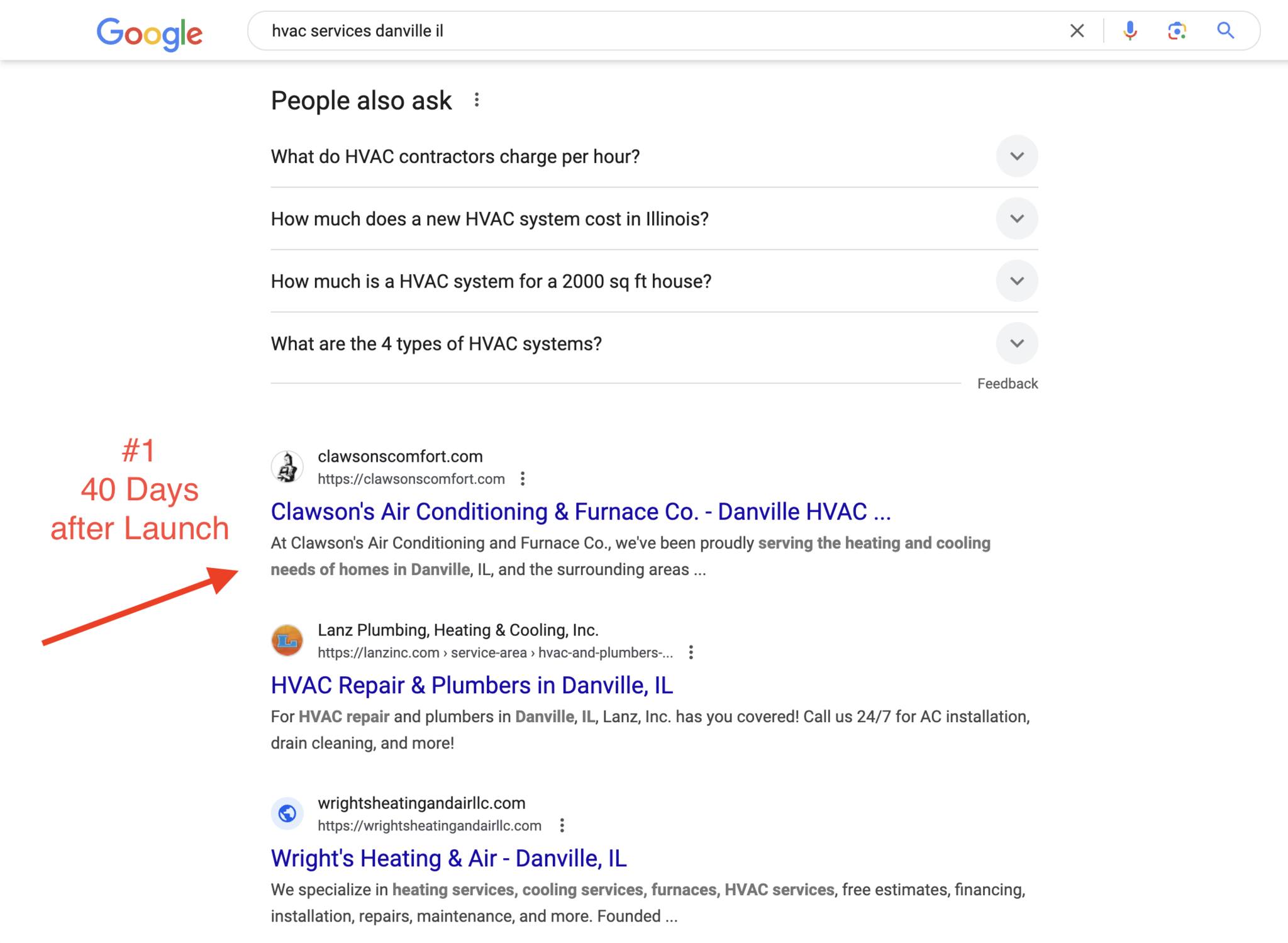
All Awebco website builds come with basic SEO included – we recently ranked an HVAC company #1 in their town with just a website revamp!
Paid Online Advertising: Paying for Traffic and Leads
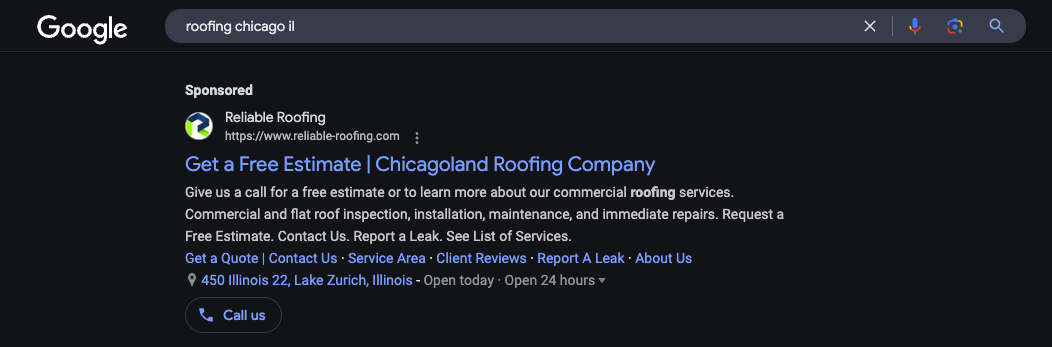
While SEO builds your long-term presence, paid advertising can generate immediate visibility for your new website.
With the right strategy, you can place your business directly in front of your target audience across various platforms.
Here are some effective paid advertising options for small businesses:
- Google Ads: Display your business at the top of search results for specific keywords. You only pay when someone clicks on your ad, making it a cost-effective option for many businesses.
- Social Media Advertising: Platforms like Facebook, Instagram, and LinkedIn offer highly targeted advertising options based on demographics, interests, and behaviors. This allows you to reach potential customers who match your ideal client profile.
- Remarketing: Show ads to people who have previously visited your website but didn’t make a purchase or contact you. This keeps your business top-of-mind and encourages them to return.
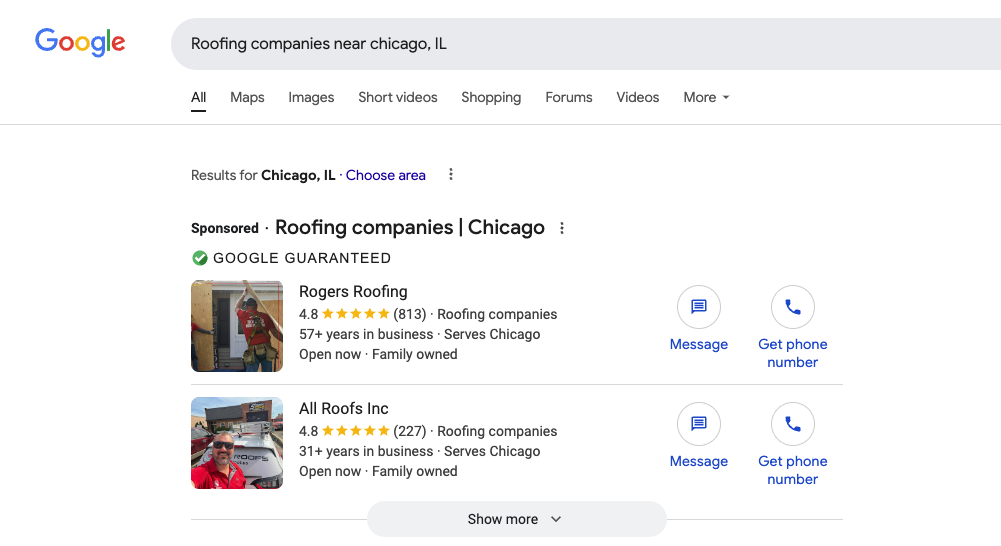
- Local Service Ads: For service-based businesses, Google’s Local Service Ads appear at the very top of search results with a “Google Guaranteed” badge, building instant credibility.
The key to successful paid advertising is targeting the right audience with compelling ad creative and sending them to optimized landing pages on your website.
A digital marketing team like Awebco can help you create, monitor, and optimize your campaigns to ensure you’re getting the best return on your advertising investment.
One of the most effective industries we’ve found for search advertising are local service-based businesses, like roofers, contractors, flooring companies, HVAC companies, etc.
Consistent Posting & Engagement on Social Media
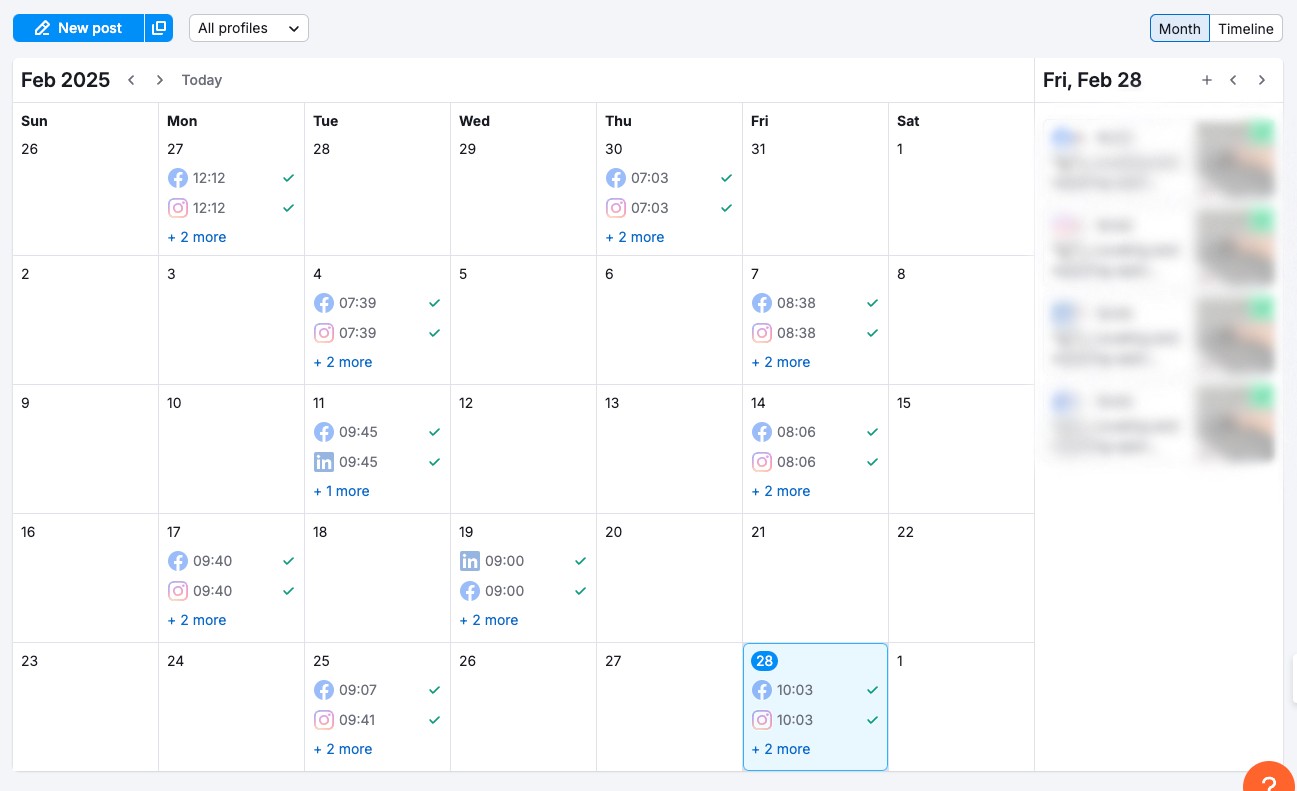
Social media platforms offer powerful opportunities to increase your website’s visibility while building relationships with potential and current customers.
Rather than trying to maintain a presence on every platform, focus on those where your target audience is most active.
Follow these steps to leverage social media effectively:
- Choose the Right Platforms: Different platforms attract different demographics. For example:
- Facebook reaches a broad audience and works well for most local businesses
- Instagram is ideal for visually-oriented businesses
- LinkedIn works best for B2B services
- TikTok reaches younger audiences
- Create a Posting Schedule: Consistency is key in social media. Develop a realistic posting schedule you can maintain, whether that’s daily, three times a week, or weekly.
- Share Valuable Content: Rather than purely promotional posts, focus on content that provides value to your audience:
- Educational tips related to your industry
- Behind-the-scenes looks at your business
- Customer testimonials and success stories
- Local community involvement
- Include Links to Your Website: Drive traffic by including links to relevant pages on your website. Create specific landing pages for social media promotions when appropriate.
- Engage With Your Audience: Respond to comments, answer questions, and participate in conversations. This builds relationships and increases your visibility in social algorithms.
Managing multiple social media accounts while running your business is overwhelming, particularly when you have a whole other job that needs done every day.
A social media management team can create a strategic posting schedule, develop engaging content, and interact with your audience on whichever platforms serve your business the best.
If you can’t afford a social media management team, you can consider using a social media posting tool like Hootsuite or combine an SEO software + social media posting with Semrush’s social media tool.
Print Marketing: Cards, Mailers, Flyers, & More
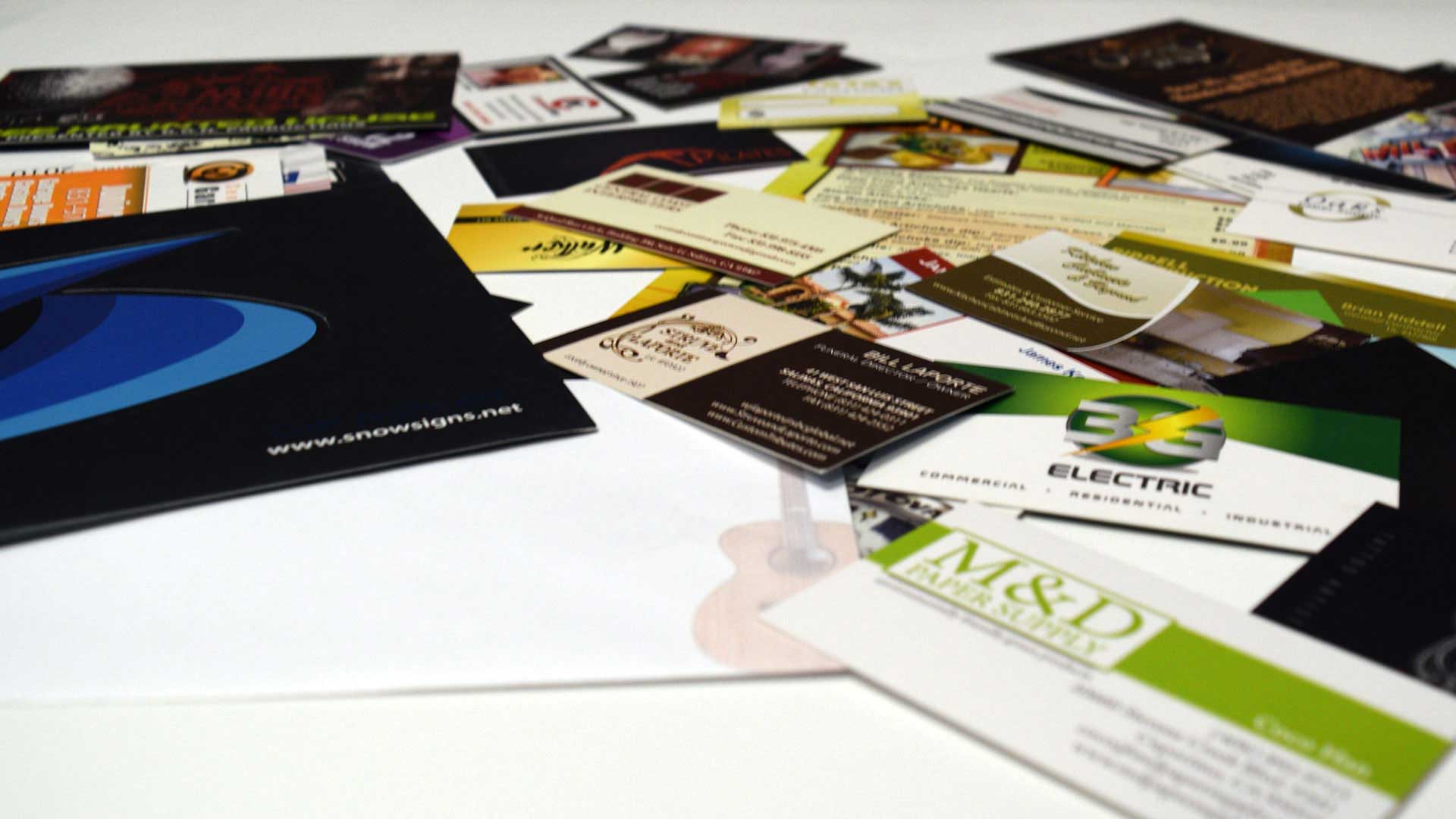
Print marketing remains a valuable tool for driving website traffic, especially for local businesses.
Physical marketing materials provide tangible touchpoints that can direct potential customers to your online presence.
Consider these print marketing strategies:
- Business Cards: Ensure all your business cards prominently display your website address. Hand them out at networking events, include them with purchases, and leave them at complementary businesses.
- Flyers and Posters: Distribute flyers or display posters in high-traffic areas where your target audience might see them. Include a compelling reason to visit your website, such as a special offer or valuable resource.
- Direct Mail: Send postcards or brochures to targeted mailing lists in your service area. Include a unique URL or QR code to track the effectiveness of your campaign.
- Vehicle Graphics: Turn your business vehicle into a mobile advertisement by adding your website address to your vehicle graphics.
- Billboards: An eye-catching billboard
The effectiveness of print marketing depends largely on quality design that reflects your brand and clearly communicates your message.
Working with professional graphic designers ensures your print materials make a positive impression and effectively drive traffic to your website.
Instead of using AI or trying to become a sub-par graphic designer yourself, just have our professionals do the hard work for you.
Email Marketing: Nurturing Website Visitors into Customers
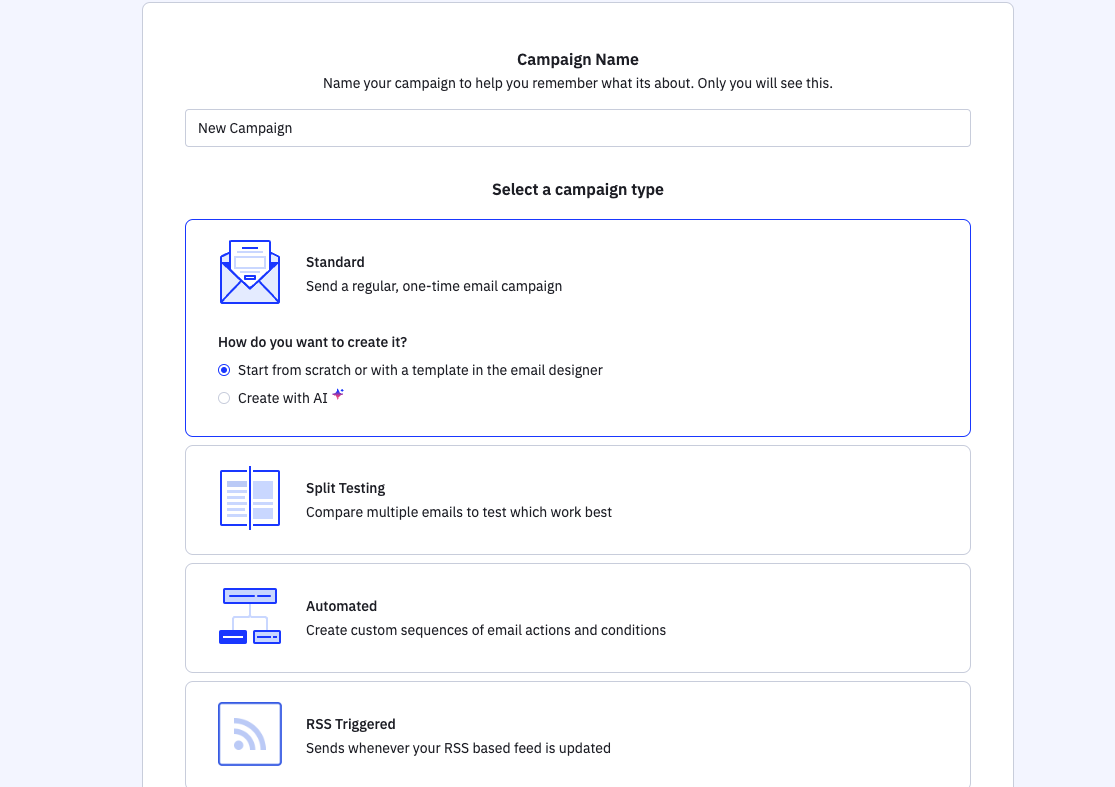
Email marketing allows you to maintain contact with website visitors and gradually nurture them into customers.
It’s one of the most cost-effective marketing strategies, with an average return of $36 for every $1 spent, depending on your industry of course.
Here’s how to implement an effective email marketing strategy:
- Create Compelling Lead Magnets: Offer valuable resources (guides, checklists, discounts) in exchange for email addresses on your website.
- Develop a Welcome Sequence: Create a series of automated emails that introduce new subscribers to your business and provide immediate value.
- Segment Your List: Divide your email list based on interests, purchase history, or engagement level to send more targeted, relevant content.
- Maintain Regular Communication: Send newsletters or updates on a consistent schedule, whether weekly, bi-weekly, or monthly.
- Include Clear Calls-to-Action: Each email should include links back to specific pages on your website with clear instructions on what you want readers to do next.
Email marketing requires strategic planning, compelling copywriting, and attractive design to be effective.
Our team can help you come up with and implement an email strategy that converts subscribers into website visitors and customers.
Check out ActiveCampaign for an affordable, high-quality CRM and email automation software for any type of business.
Monitor, Analyze, and Adapt
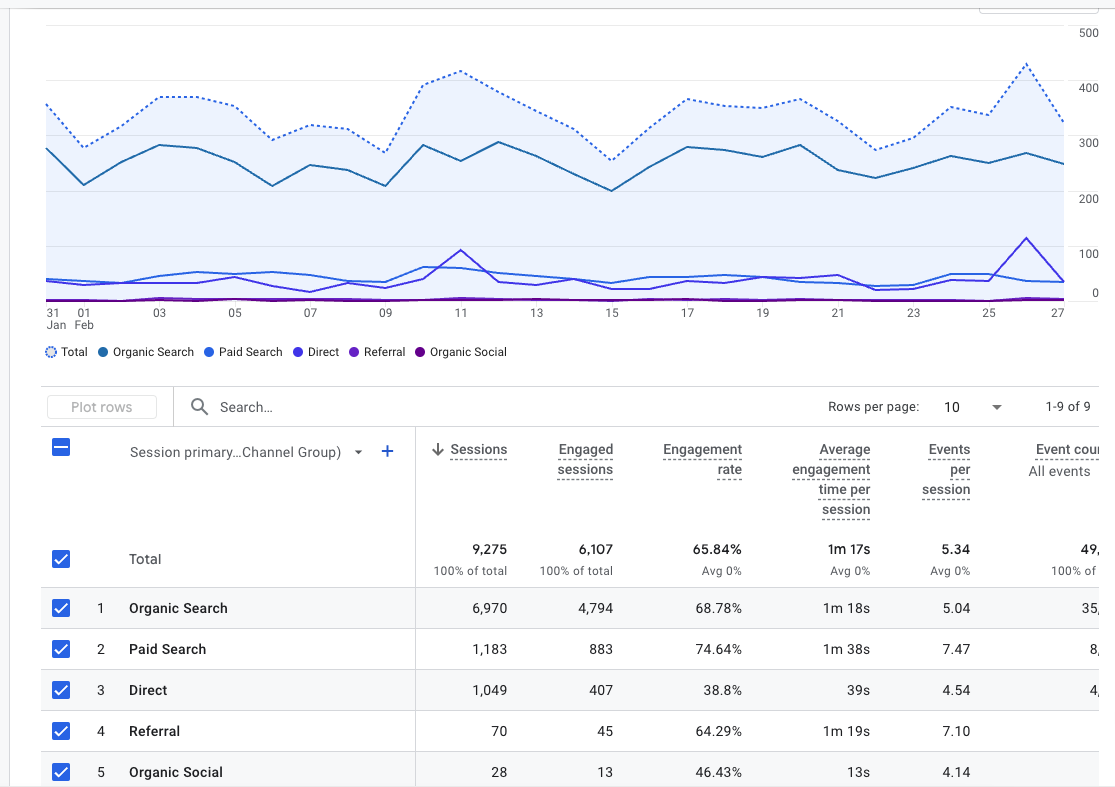
As you implement these strategies to increase your website’s visibility, it’s essential to monitor your results and adapt accordingly. Website analytics tools can help you understand:
- Which sources are driving the most traffic to your website
- How visitors behave once they arrive
- Which pages are most effective at converting visitors into leads or customers
- Where visitors are dropping off or losing interest
Use this data to refine your strategies, focusing more resources on what’s working and improving or abandoning what isn’t.
Digital marketing is not a set-it-and-forget-it endeavor—it requires ongoing attention and adjustment to get the best results.
Partner With Professionals for Maximum Impact

Getting your website noticed requires a multi-faceted approach and consistent effort across all of these online marketing channels.
As a business owner, your time and expertise are best spent running your business, not becoming a digital marketing expert. We have a highly experienced team that does all of this full-time, so that you don’t have to.
Partnering with a professional digital marketing team like Awebco gives you access to a full suite of online marketing services that work together to increase your website’s visibility and drive business results:
- High-quality website design and development that creates a positive first impression and converts visitors
- Paid advertising campaigns across Google, Bing, Facebook, and LinkedIn, fully managed by our team
- Ongoing SEO and content creation that builds your authority and rankings automatically
- Consistent social media management that engages your audience and gets you seen
- Local business listings that you own (unlike Yext / Dex Media) that help customers find you
- Eye-catching print products that can help both online and offline marketing
- Custom graphic design for anything you need that is consistent with your brand identity
While using our expertise, you can focus on what you do best—running your business and serving your customers—while your website works effectively to attract new business opportunities automatically.
Want to learn more about how Awebco can help get your website noticed, and much more? Just give us a call or request a quote.
We’re looking to fill our free space with a few new clients interested in a long-term commitment to online growth – if that’s you, schedule an appointment for a custom plan built specifically for your business.